



Alumni Spotlight: Nicholas O’Brien ’19 |
11/11/2026
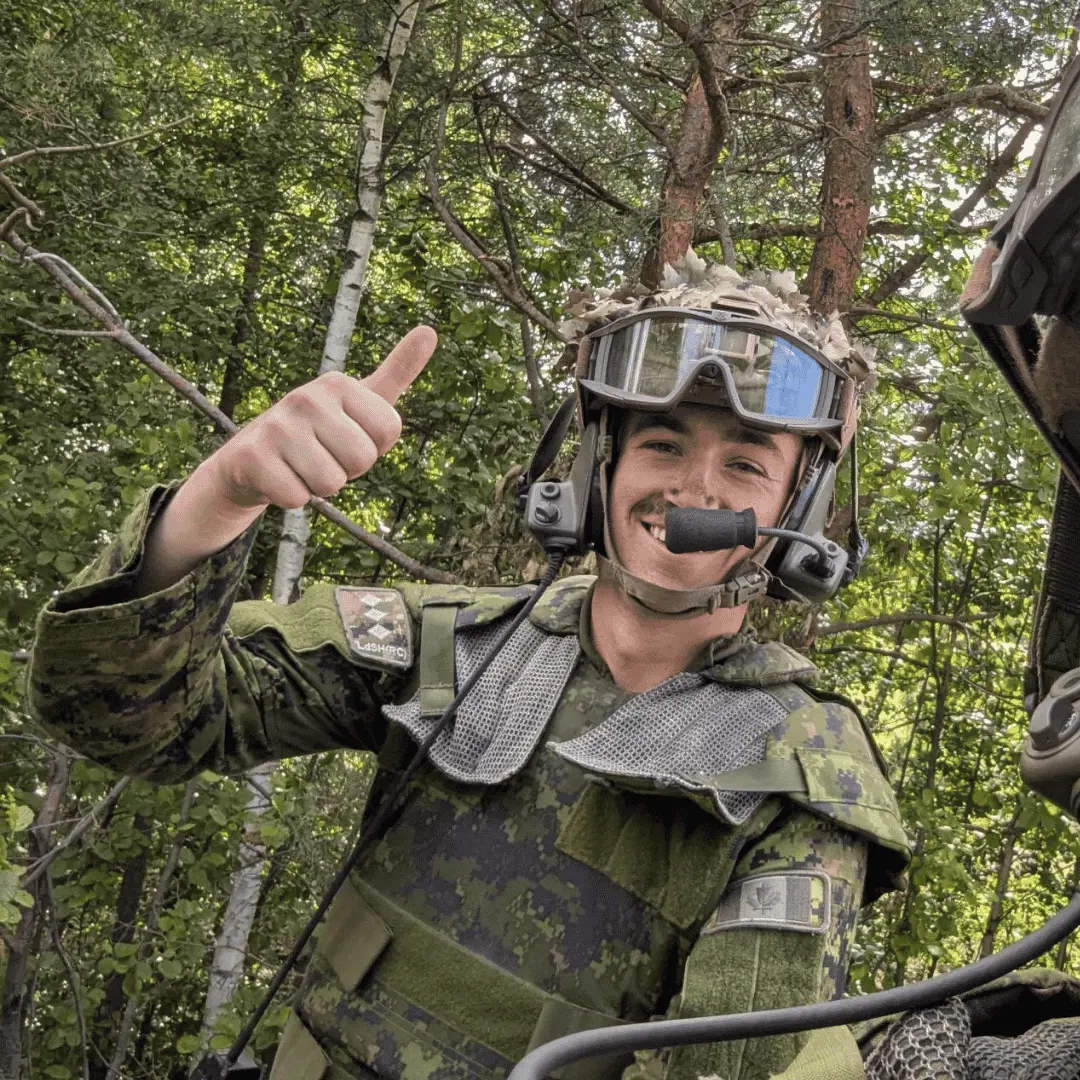
“I’ve been a tank troop leader for about a year and a half and I’ve yet to have a typical day,” says Nicholas O’Brien ’19.
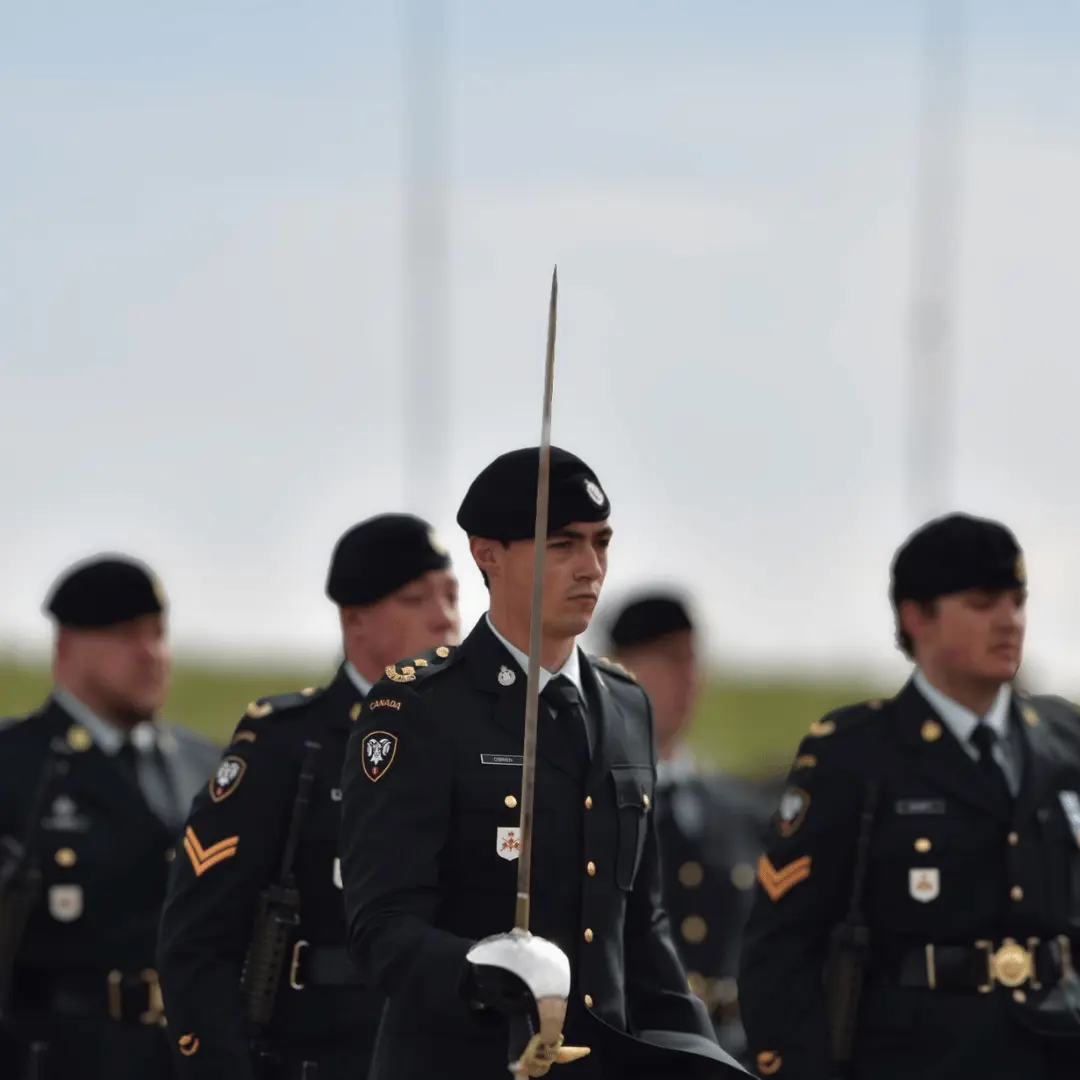
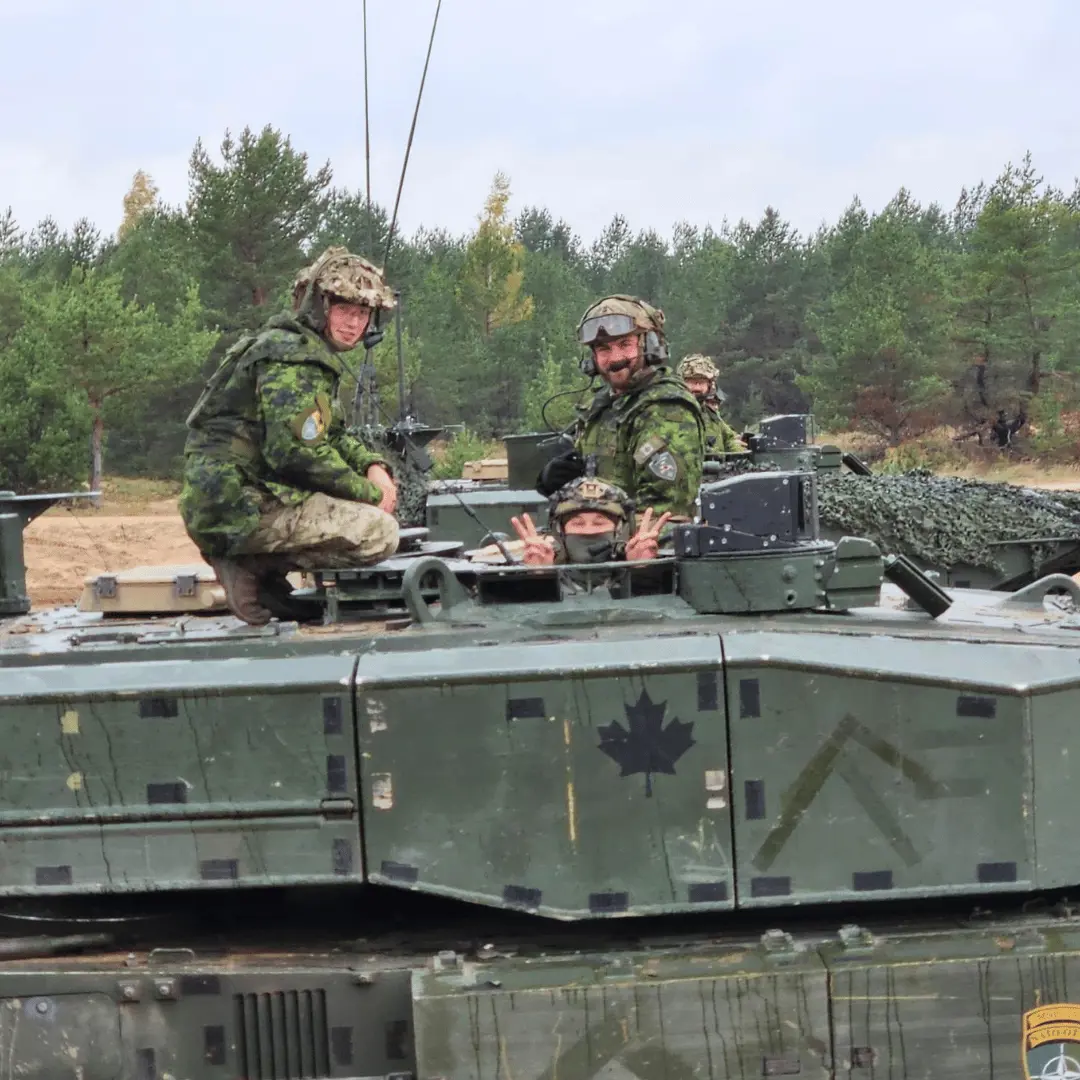
O’Brien is a captain in Lord Strathcona’s Horse (Royal Canadians), Canada’s only tank regiment. He leads a troop of three tanks and 11 soldiers. “In one month, we went from doing live-fire training in -30°C cold in Wainwright, AB and then rolling right into simulator training in Georgia, USA.”
O’Brien rowed at UCC and left Mowbrays in 2019 for the Royal Military College of Canada (RMC). He joined the Strathconas after officer training in Gagetown, NB, and this past year he and his troops were deployed to Latvia.
We sat down (via WhatsApp) with O’Brien to learn more about his path into the armoured corps, the most important thing he’s learned about leading soldiers — and what Remembrance Day means to someone currently serving.
Was joining the military always the plan?
Both my father and grandfather joined the Canadian Armed Forces at 17, so I grew up hearing about their adventures. Joining was always an idea in the back of my head, but I never really took it seriously until I was in Year 10 or 11. I ended up being the third generation in my family to walk into a recruiting office at 17.
What is one of the most important things you’ve learned as a troop leader?
Success as an armoured troop leader is predicated on the ability to make the best decisions you can, as fast as you can, using as much information as you can — and synthesize it all at once.
The most important lesson I’ve learned about leadership is that half the battle is caring. You need to care about accomplishing the mission, but you also need to care about your soldiers as individuals. I’d love to take all the credit for my troop’s successes, but most of that credit needs to go to my non-commissioned officers.
What stands out most for you when you look back at your time at UCC?
Looking back, the biggest influence on my life was being on the rowing team. Getting up at 4:30 every morning was the hardest thing I’d ever done at that point, and the intensity of the training was a definite shock. What made it worthwhile was doing it as part of a tight-knit team.
Everything around rowing competitively is centred around preparedness and working together. When it comes together right, it’s a beautiful feeling. The boat glides through the water exactly how it’s designed to, and you feel like it’s flying.
Surprisingly, a lot carries over from rowing to tanking. Everyone in a tank crew needs to be an expert in their role and own their responsibilities. When your crew is working great together, you feel unstoppable.
You studied English during your time at RMC. What influenced that decision?
I ended up picking English because I really enjoyed Dr. Churchward’s HL Literature class. I didn’t really see the utility of it until I saw how much writing a junior officer has to do!
What’s the biggest obstacle you’ve had to overcome?
The biggest obstacle I’ve overcome is my fear of failure. It was at its worst when I was on course with the infantry school. One of the major assessments is a four-person reconnaissance of an objective. It was something that I knew well and had done before. But, during the assessment, I focused too much on the pressure I put on myself, and I froze. The task seemed insurmountable, and I ended up failing.
What I understood afterwards is that the only difference between excitement and nervousness is your outlook. It often feels like the minimum your soldiers deserve is better than the best you can give. But you can’t change your best. You can only do your best.
What’s next for you?
My troop-leading time is ending soon. The next step will be moving into a staff officer role in Winnipeg. The military is great at moving you once you start to feel too comfortable. My grandmother had a saying when my grandfather was serving: “The house is getting dusty, it’s time to move.”
What does Remembrance Day mean to you as someone currently serving?
Remembrance Day is a tough day for many serving members. I’m lucky to have never had to face an armed threat in my career, but there are still inherent risks to service in the profession of arms. A tragic example is what happened recently in Wainwright, AB. Canada does an incredible job remembering those who have served in combat. For me, Remembrance Day is about those we’ve lost along the way, too.