


Alumni Spotlight |
10/21/2026
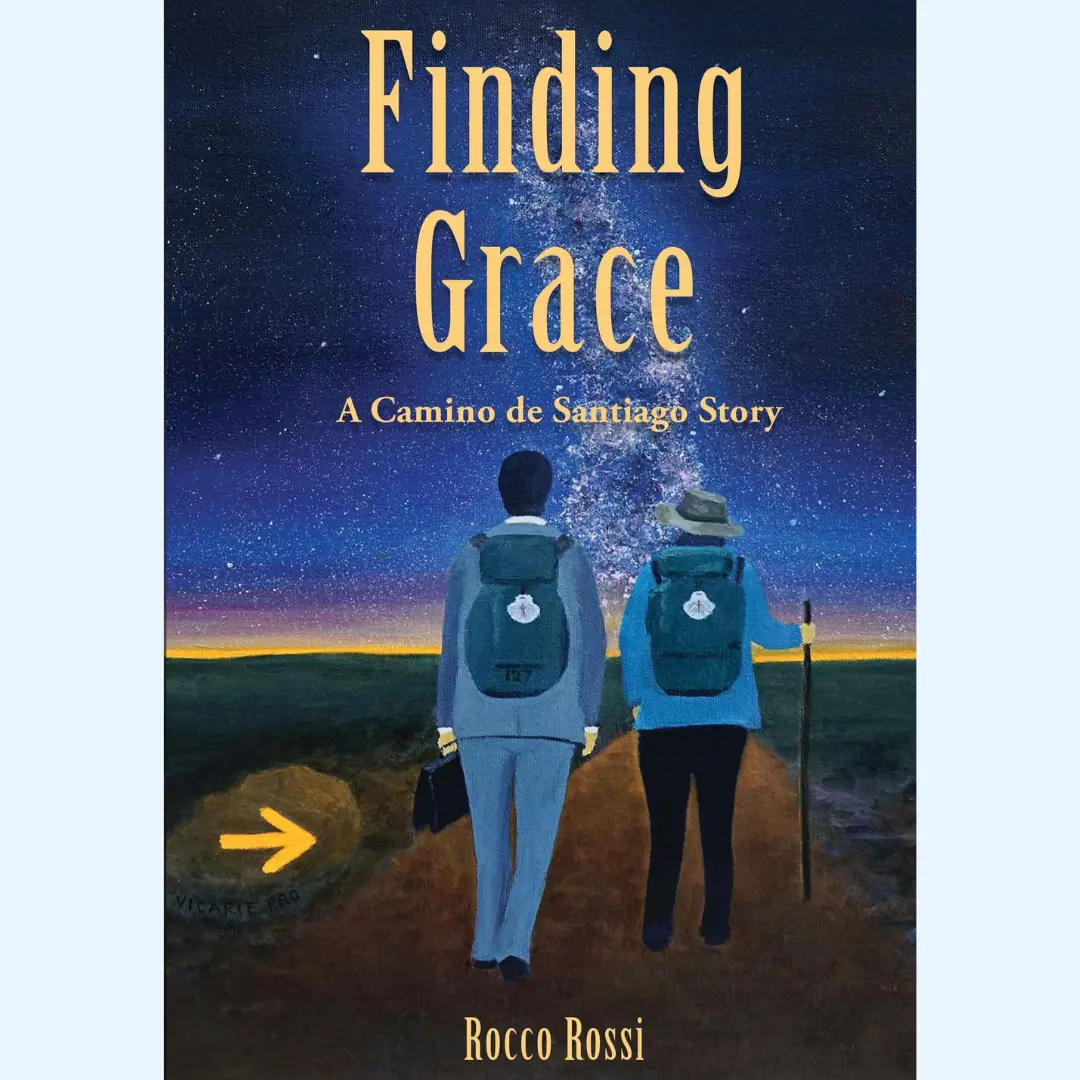
In Rocco Rossi ’81’s debut novel, Finding Grace, a Wall Street dealmaker survives a plane crash that kills everyone else on board, including his mentor. Months later, a package arrives from Pamplona, Spain. Inside is a pilgrim’s certificate that reveals that a woman who he has never met has walked 800 kilometres across northern Spain on his behalf.
The death of a close friend and mentor — and finding solace and connection with others in pilgrimage — were experiences that Rossi pulled from his own life.
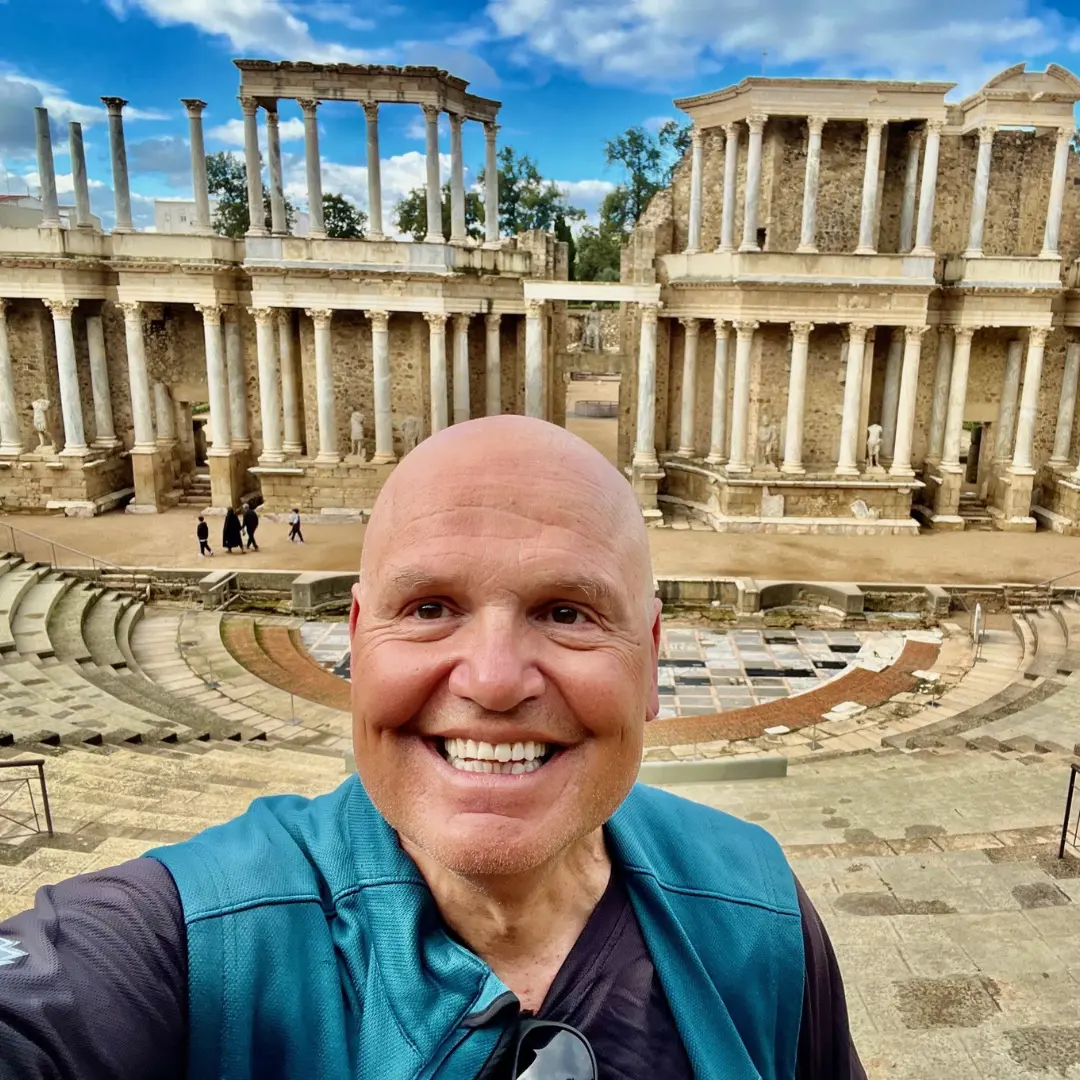
Rossi, the son of Italian immigrants, arrived at UCC on a scholarship in 1977. He went on to attend McGill and Princeton before embarking on an executive career spanning business, politics and the not-for-profit sector. He credits the College’s teachers for fuelling a curiosity that has shaped his life since.
Years before his non-profit work, Rossi was a senior executive at Labatt Brewing. He and his boss and mentor, Don Kitchen ’73, a fellow UCC Old Boy, were in Belgium to present a project to the board. They celebrated after the presentation, with plans to have breakfast together the next morning.
Tragically, Kitchen died in his sleep that night, at age 44.
“My world went into a tailspin,” Rossi recalls. “Things that I thought were so important weren’t all that important anymore.”
Rossi tried burying himself in work, without success. Then, he read journalist Rob Crew’s article in the Toronto Star about Crew’s experience walking a medieval pilgrimage route, the Camino de Santiago. Curious, Rossi invited Crew to lunch. “A week later, I was on a plane to Pamplona,” he says.
He spent a month walking a thousand kilometres from the French border to the Atlantic. “It turned out to be a remarkable, life-saving experience,” Rossi says. He has returned nearly every year since 2002, completing 24 variations of the Camino and walking some 15,000 kilometres in total.
Before that first walk, Crew had introduced him to Harry and Mary Catherine Kimpton, a couple from Toronto who were planning to travel the same route around the same time. Their schedules didn’t line up, so Rossi went ahead alone. Upon returning, he learned that Mary Catherine had died in an accident on the Camino.
In Santiago, Rossi discovered an old tradition that permits a pilgrim to walk on another’s behalf. He returned the following year and walked from the place where Mary died to the cathedral, collecting the blessing in her name. Then, he brought the blessing home to Harry.
“The notion of walking on behalf of others is a core theme in Finding Grace,” Rossi says. “A lot of the conversation around pilgrimage is that it’s just about the ‘I’ in pilgrimage — one’s own search, one’s own development. But that tradition is really around acknowledging and celebrating the deep connection we have with everyone around us, and that we do carry each other.”
Rossi journaled every walk and spent 20 years telling himself he would write about them. Now, he has — as fiction rather than memoir.
“Fiction has a way of allowing others to paint on the canvas, so the reader can picture themselves in it,” he says. “I don’t want it to be Rocco’s journey. I want it to be your journey.”
Finding Grace has become an Amazon bestseller in several categories. “It was a real family and community production,” says Rossi. His wife, Ronnie, edited the novel; his son, DJ ’07, a teacher at the Prep, is narrating the audiobook and a friend and fellow pilgrim, whom he met on his journey, painted the cover.
Rossi hopes readers find more in it than just a plot. Something quieter.
“I hope they take away that being alone is not the same thing as being lonely,” he says. “Our day-to-day lives are so busy, so inundated with appointments and noise and the different masks we wear to get through the day, that we rarely have those moments where we can just be still.”
The biggest moment for Rossi after publishing the novel was learning that the Toronto Public Library was buying copies.
“For a kid who grew up in a working-class immigrant family where we didn’t have extra money for books at home, the library as a child was my refuge,” he says. “It was my place of adventure. It fed my curiosity. The thought that my book is now in that mix is an incredibly proud and inspiring moment for me.”