



Alumni Spotlight: Akash Pasricha ’13 |
05/29/2026
UCC News caught up with Akash Pasricha ’13 to learn about his “winding journey” to an exciting career as a news anchor focusing on business and tech.
Tell us about yourself.
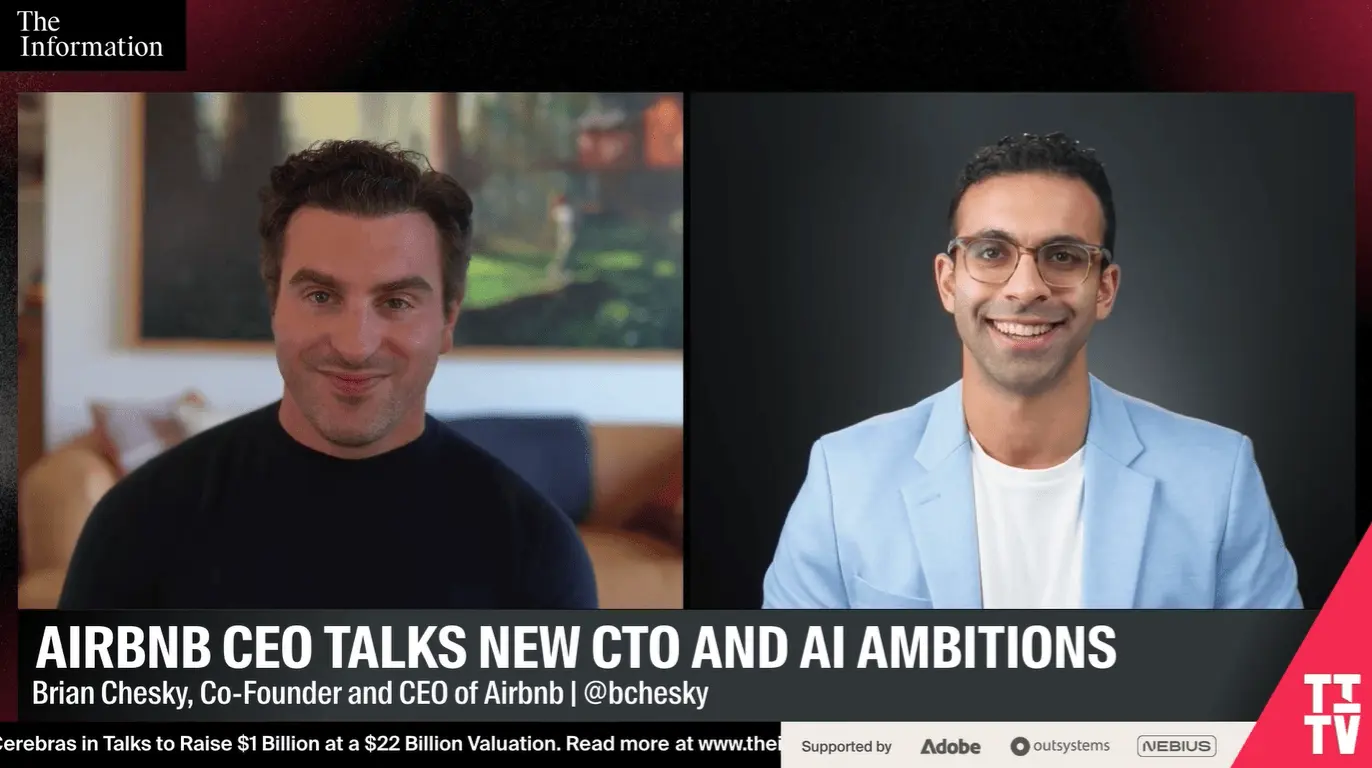
I’m a business news anchor and host a daily YouTube show for The Information, one of the better-known tech publications among Silicon Valley insiders. Every day, I unpack the sector’s biggest stories with our reporters. I’ve had the pleasure of interviewing CEOs and executives from Amazon, Uber, Robinhood, Airbnb and Pinterest. Before launching the show, I was a print reporter.
What led you to a career in media?
It’s been a winding journey. I went to Queen’s University thinking I wanted to be a doctor, and then transferred into Ivey’s HBA program because business intrigued me. But even after large companies hosted information sessions on campus, I still couldn’t figure out what people working there actually did at their jobs and what their day-to-day schedules looked like.
I ended up starting a podcast called Operation: Internship — which is still live, nearly 10 years later — interviewing classmates about their summer gigs at large corporations and digging into their day-to-day assignments. Next thing I knew, I was writing freelance stories for the Globe and Mail and Toronto Star. Eventually, I decided to turn the side hustles into a career and moved to New York to study at Columbia Journalism School.
What does your daily schedule look like, anchoring a show?
Most days, I’m in the gym by 6:30 a.m. and at the office by 7:45. My prep for that day’s show is usually complete by then; but given how unpredictable the news is, I’ll sometimes make revisions in the morning and book last-minute guests for breaking news. At 10:30 we turn the lights and cameras on, and at 11 we start taping.
In the afternoons, I’ll pick a few clips for our marketing team to push; meet with sources; reach out to potential guests for the show; research technical topics; and watch interviews on other networks to see what conversations I might be missing.
In the evening I write most of my notes for the next day, since news changes so quickly throughout the afternoon. I try to be in bed by 10:30. And then: Repeat!
What’s your view on AI?
It’s certainly powerful. I use it every day, especially as a research tool (though I do have to fact check).
I have opinions on who will be the winners and losers in the AI era, but the most important part of this story is that people really need to set aside time to learn how these tools actually work. This isn’t something you can pick up in an hour every other weekend; the technology is changing too fast. Keeping up with the tools will keep you ahead of the game, wherever it goes.
What comes to mind as you consider your UCC experience?
I was really active in the theatre and music programs, and it’s exciting that my career today relies on that same excitement for creating art through iteration.
On a tactical level, I often think about how important it was that I learned how to act effectively on feedback at UCC — be it in the classroom, on stage, or in jazz-band rehearsals. Every day in my current job, I get notes from my editors and producers on how I can improve. If I don’t get notes I actively seek them out.
It all takes me right back to a Grade 12 theatre production of American Buffalo, when our director, Justis Danto-Clancy [’07], pushed us further and further with observations on our performances and ideas on how we could improve. UCC taught me to be confident in my strengths — but also to realize there are always ways to be better. Continual improvement is an important mindset, regardless of your career.